From Seafloor to Satellite: Marine Tech Powering Ocean Conservation
Marine technology is reshaping how we protect our oceans right now. From smart buoys tracking changes in real time to satellites mapping entire coastlines, these tools are giving us a clearer picture of ocean health. At Earth Week Miami, you’ll see how these advances power ocean conservation—and how you can join this movement to create real impact. Ready to make waves with marine tech? Learn more about the role of emerging technologies in ocean conservation here.
Marine Tech: A New Wave 🌊

The ocean is vast, but with new marine technology, we’re closing the gap in conservation efforts. Dive into how smart tools are changing our approach.
Real-Time Monitoring with Smart Buoys
Imagine the ocean speaking to you. Smart buoys make this possible by providing a constant stream of data. These floating devices are like weather stations for the sea. They measure everything from water temperature to pollution levels. You might wonder how this helps. When changes occur, scientists get alerts immediately. This means they can act fast, making decisions based on real-time information.
Smart buoys are more than just gadgets. They’re guardians of the ocean. By predicting harmful events like oil spills or toxic algae blooms, they help protect marine life. This technology is a game-changer for ocean conservation. For more on buoys, see how they’re shaping the future of our seas.
Satellites & Drones in Ocean Surveillance
Look up: satellites are watching over our oceans. These eyes in the sky capture images of vast marine landscapes, mapping everything from coral reefs to sea ice. Unlike traditional methods, satellites cover large areas quickly. This helps identify illegal fishing activities and monitor protected zones.
Drones, on the other hand, offer a closer look. They fly low, capturing detailed images and video. Drones are especially useful for surveying hard-to-reach places. Together, satellites and drones provide a comprehensive view, helping us better manage ocean resources. Learn more about the impact of satellite technology here.
AI for Oceans: Data-Driven Conservation
Artificial intelligence is making waves in marine conservation. With AI, we can analyze massive amounts of data quickly. This means spotting patterns that humans might miss. For example, AI can track the migration of whale populations or predict coral bleaching events. The key insight: AI helps us understand the ocean’s rhythm.
AI doesn’t work alone. It relies on data from smart buoys, satellites, and drones. By combining these sources, AI models become more accurate. This collaboration between technology and nature offers hope for ocean health. Discover how AI is advancing marine science.
Innovations in Ocean Preservation 🌊
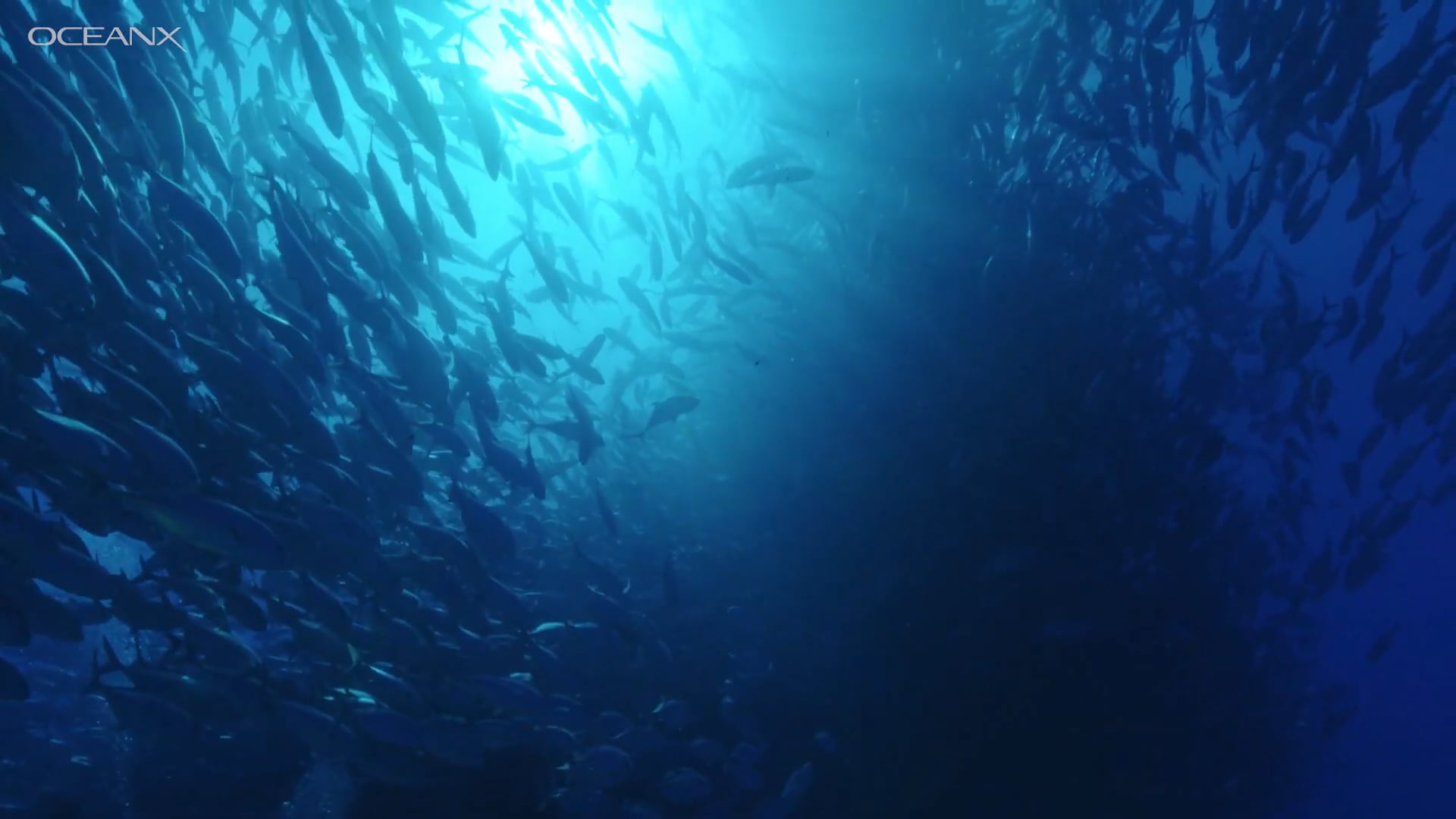
As our knowledge grows, so do the tools at our disposal. New technologies are opening doors to preserving our oceans like never before.
Reef Restoration Technology & Coral Care
Coral reefs are vital, yet fragile. New reef restoration technologies are helping these underwater forests thrive. Techniques like coral gardening involve growing corals in nurseries before planting them back into the ocean. This method speeds up natural processes, helping reefs recover faster.
Marine biologists also use bioacoustics to monitor reef health. By listening to the sounds of the reef, scientists can determine its vitality. Healthy reefs are noisy, bustling with life. Unhealthy ones are eerily silent. These technologies work together to ensure coral reefs continue to flourish. For a deeper dive into reef restoration, visit this site.
Plastic Pollution Tech: Skimmers & Interceptors
Plastic pollution is a major threat to our oceans. Enter skimmers and interceptors. These devices remove plastic waste from waterways before it reaches open seas. Skimmers are like giant vacuums, sucking up debris from the water’s surface. Interceptors, stationed in rivers, act as barriers to catch floating trash.
Both technologies are essential in the fight against ocean plastic. They prevent waste from affecting marine life and ecosystems. By capturing plastic before it spreads, we safeguard ocean health. To learn more about these innovations, check out this resource.
Blue Carbon Mapping for Coastal Resilience
Coastal areas store large amounts of carbon. This is called blue carbon. Mapping these areas helps in understanding their role in climate regulation. Scientists use satellite images and marine sensors for this task. By knowing where carbon is stored, we can better protect these vital zones.
Blue carbon mapping also informs climate policy. It highlights areas that need conservation and restoration. Protecting these zones not only fights climate change but also supports biodiversity. Explore how blue carbon is leading the charge against climate change.
Engaging with Earth Week Miami 🌍
Ready to get involved? Earth Week Miami offers a chance to be part of this movement. Join us and make a difference!
Exhibit at Earth Week Miami: Show Your Solutions
Are you developing innovative marine technology? Exhibit at Earth Week Miami and showcase your solutions. This is your chance to connect with industry leaders and potential partners. By displaying your work, you inspire others and gain valuable feedback. Most people think innovations happen in isolation, but collaboration is key. Bring your ideas to life at Earth Week Miami. Learn more about exhibiting opportunities here.
Investor Pitch Competition: Spotlight Your Startup
Do you have a marine tech startup? Participate in our investor pitch competition. This platform gives you exposure to impact investors looking for the next big thing in ocean conservation. Present your ideas and secure funding to bring your vision to reality. The longer you wait, the more opportunities you miss. Don’t let your chance slip by. Register for the competition.
Volunteer & Participate: Hands-On Ocean Action
Want to make a tangible impact? Volunteer at Earth Week Miami. From beach cleanups to educational workshops, there are many ways to get involved. This is your moment to take action and contribute to ocean health. Whether you’re a seasoned activist or new to conservation, your efforts matter. Join the community and be part of something bigger. Find out how to volunteer.
By embracing marine technology, we’re taking significant steps toward a sustainable future. Earth Week Miami is more than an event; it’s a movement. Join us and be a part of the solution. Together, we can protect our oceans and pave the way for a healthier planet.