

Top Sustainability Trends to Watch at Earth Week Miami 2026
Forget what you think you know about sustainability events—Earth Week Miami 2026 is setting a new standard. If you’re ready to see the latest breakthroughs in renewable energy innovations, circular economy solutions, and climate tech, this Miami eco event has you covered. Get ready to connect with green startups, explore clean beauty, and discover how community climate action can make a real impact. Keep reading to find out which trends will shape April 22 at DCOTA—and how you can join the movement.
Renewable Energy Innovations

Earth Week Miami 2026 kicks off with innovations in renewable energy, setting the stage for a greener future. Let’s explore the groundbreaking strides in solar and wind energy, as well as community projects that bring power to the people.
Solar Power Breakthroughs
Solar energy is shining brighter than ever. Recent advancements have made solar panels more efficient, offering greater energy output even on cloudy days. Imagine panels that work efficiently in low light conditions. These panels are now more affordable, which means more homes and businesses can harness the sun’s power. In fact, a new solar installation now costs 30% less than it did a decade ago. Companies are also exploring solar skins, which blend into rooftops seamlessly, enhancing both functionality and aesthetics. It’s an exciting time for solar power, as it becomes increasingly accessible and efficient.
Wind Energy Advancements
Wind power continues to evolve rapidly. New turbine designs now generate 20% more energy, even in areas with lower wind speeds. Offshore wind farms are also gaining traction. These farms are positioned to capture the stronger and more consistent winds found at sea. As a result, they produce more energy with fewer turbines. Moreover, wind power is proving to be a key player in reducing carbon emissions. Most people think wind power is only viable in windy regions, but advances are changing that perception.
Community Solar Projects
Community solar projects are revolutionizing how neighborhoods access renewable energy. By participating in these projects, you can enjoy clean energy without installing panels on your property. This model works well for apartment dwellers and those with shaded roofs. Community solar provides an opportunity for collective action, reducing energy costs for everyone involved. It’s a simple way to take part in the renewable energy movement. The longer you wait to join, the more you miss out on substantial savings and environmental benefits.
Circular Economy and Recycling

From renewable energy, we move to the circular economy, where “waste” becomes a resource. Circularity is reshaping how we think about product life cycles and waste management.
Zero Waste Strategies
Zero waste isn’t just a concept; it’s becoming a widespread practice. Businesses and individuals are adopting strategies to minimize waste, aiming to send nothing to landfills. One key approach is composting, which turns organic waste into valuable soil nutrients. Companies are also redesigning products to be more durable and easier to repair. By reducing single-use plastics and investing in biodegradable alternatives, we’re taking significant steps toward a future with less waste.
Cutting-Edge Recycling Tech
Recycling technology is getting a major upgrade. New processes can now recycle complex materials like electronics more effectively. For instance, a state-of-the-art facility can process 50 tons of e-waste daily, reclaiming valuable metals. This innovation reduces the need for mining and decreases landfill waste. It’s a game-changer for industries dealing with high-tech waste. The myth that recycling is inefficient is being debunked by these advancements.
Circular Business Models
Circular business models are gaining traction across industries. These models focus on designing products that last longer and can be reused or recycled. Companies are encouraged to think about product life cycles from start to finish. The shift is not only environmentally beneficial but also economically smart. Products with longer lifespans reduce costs for consumers and businesses alike. Everyone wins in a circular economy, including the planet.
Sustainable Fashion and Clean Beauty
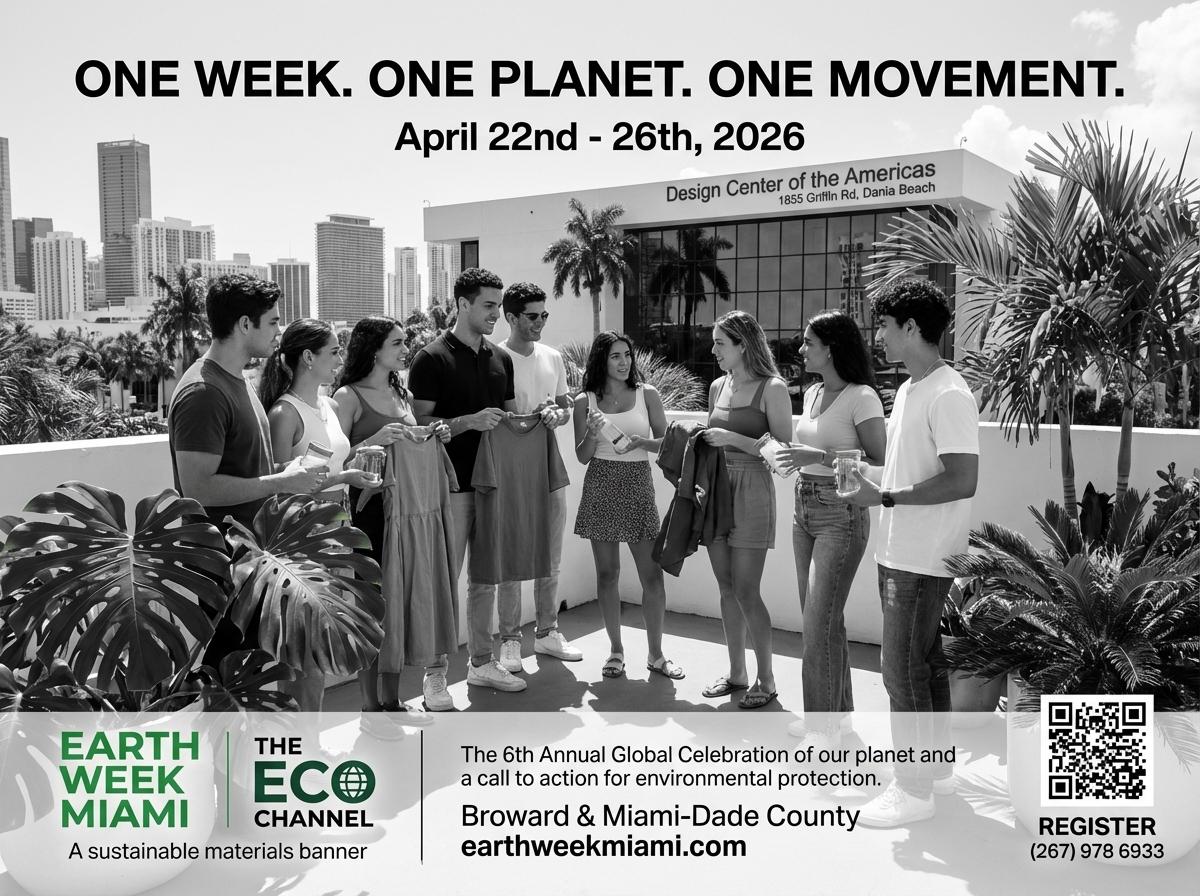
Next up, let’s dive into sustainable fashion and clean beauty, two industries making waves with their eco-friendly innovations.
Eco-Friendly Fashion Trends
Sustainable fashion is more than a trend; it’s a movement. Brands are focusing on eco-friendly materials like organic cotton and bamboo. These materials are not only better for the environment but also offer a softer, more comfortable feel. Fashion shows are highlighting garments made from recycled materials, proving that style and sustainability can coexist. It’s a myth that eco-friendly clothing lacks style; today’s designs are as chic as they are conscientious.
Innovations in Clean Beauty
The beauty industry is embracing sustainability like never before. Brands are formulating products with natural, non-toxic ingredients. Packaging is also getting a green makeover. Many companies now use biodegradable or recyclable materials, reducing the industry’s carbon footprint. Clean beauty isn’t just a niche market anymore; it’s becoming the norm as consumers demand transparency and responsibility.
Sustainable Materials in Beauty Products
Beauty products are going green with sustainable materials. Ingredients like aloe vera and coconut oil are not only natural but also sourced ethically. Sustainable harvesting ensures that these resources are available for future generations. Many companies are moving away from synthetic ingredients, opting instead for plant-based alternatives. The benefits are twofold: kinder to the earth and gentle on your skin.
Join us in celebrating these innovations at Earth Week Miami. From renewable energy to sustainable fashion, there’s something for everyone passionate about our planet’s future.
To Register or Learn More go to:


